Last Updated: November 8, 2026
Quick Summary
A fragrance-free cream for sensitive vulvar skin is a moisturizer made without added scent, dyes, or harsh additives, formulated for the delicate external skin of the vulva. Look for short ingredient lists with emollients, barrier protectors, and humectants, and avoid fragrance, essential oils, dyes, and alcohol. Patch test any new cream for 2 to 3 days before use.
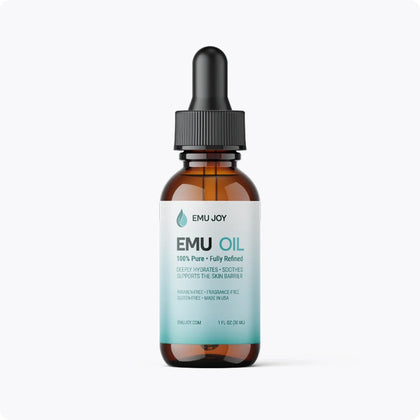
Featured in this guide
100% pure, fully refined emu oil for deep, lasting moisture. One simple ingredient for dry, sensitive skin, from face to body.
- Vulvar skin is external skin and needs a cream made for external use, not a vaginal moisturizer.
- Wash with warm water and a mild fragrance-free cleanser, and skip soap on the vulva most days.
- Fragrance-free does not mean irritation-free, since essential oils and some preservatives can still sting.
- Patch test on the inner forearm for 24 hours, then repeat for 2 to 3 days before testing near the vulva.
- Oil-based products can weaken latex condoms, so use polyurethane or polyisoprene barriers instead.
Table of Contents
- Why Sensitive Vulvar Skin Needs a Different Kind of Cream
- Vulvar Skin Care Basics: What Helps and What Hurts
- Ingredients to Look For in a Fragrance-Free Cream
- Ingredients and Additives to Avoid
- Choosing an Ointment for Itchy Vulvar Skin
- Vaginal Moisturizer vs. Vulvar Moisturizer: What's the Difference?
- When Symptoms Need a Doctor's Evaluation
- Finding Your Fragrance-Free Cream
- Frequently Asked Questions
Why Sensitive Vulvar Skin Needs a Different Kind of Cream
A fragrance-free cream for sensitive vulvar skin is a moisturizer made without added scent, dyes, or harsh additives, formulated for the delicate external skin of the vulva.
The vulva is covered in thin, sensitive tissue with many nerve endings.
Below, we explain what makes vulvar skin different, which ingredients help, which to avoid, and how to test any new cream safely.
Vulvar Skin Is Not the Same as the Vagina
This is the first thing to get straight. It includes the labia, the clitoris, and the opening of the urethra (Vulva: MedlinePlus Medical Encyclopedia).
Vulvar skin is external skin and sits in a warm, moist area, which can make it prone to irritation.
The vagina cleans itself and has its own pH balance. The vulva does not.
This matters when you shop. A cream labeled for vulvar use is made for external skin. A vaginal moisturizer is made for internal use.
What Causes Dryness, Itching, and Irritation
Many things can set off vulvar dryness and itching. Often it is more than one cause at once.
Common triggers include:
- Hormonal shifts. Menopause and perimenopause lower estrogen, which can make skin dry and thin.
- Scented products. Soap, body wash, laundry detergent, and even scented toilet paper can irritate.
- Tight clothing and friction. Synthetic fabrics trap moisture and rub.
A common mistake is treating the itch with more washing. That usually makes it worse, since soap strips the oils a stressed skin barrier needs.
Vulvar Skin Care Basics: What Helps and What Hurts
Gentle care does most of the work before any cream touches your skin. Start with these habits.
What helps:
- Wash with warm water and a mild, fragrance-free cleanser. Skip soap on the vulva most days.
- Pat dry instead of rubbing.
- Wear cotton underwear and loose clothing.
What hurts:
- Scented soaps, wipes, and sprays
- Bubble baths and harsh detergents
- Tight leggings and synthetic fabrics
If your skin is reactive in general, our guide to gentle skincare habits for sensitive skin walks through a full routine that avoids common irritants.
One insider tip: switch your laundry detergent before you blame your cream. Many people react to residue in their underwear and never suspect it.
Ingredients to Look For in a Fragrance-Free Cream
A fragrance-free cream for sensitive vulvar skin should be short on ingredients and long on function.
A good vulvar cream does three jobs: it adds moisture, holds moisture in, and reduces friction.
- Emollients soften and smooth. Examples include emu oil, jojoba oil, and sweet almond oil. Emu oil is rich in fatty acids including omega 3, 6, and 9. Many people with dry, irritated skin use it as part of their routine and report that it soothes and softens.
- Barrier protectors create a light shield. Beeswax, shea butter, and lanolin are common. They help with friction and moisture loss, which matters in a warm, moist area.
- Humectants pull water into the skin. Glycerin is the most common. It works well in a cream but can sting if the skin is already cracked.
Here is the part most roundups skip: fragrance-free does not mean irritation-free. A product can be free of added scent and still contain ingredients that sting or sensitize vulvar skin. Three to know about:
- Essential oils. Lavender, tea tree, peppermint, and citrus oils are natural fragrances. They are still fragrances and among the more common causes of allergic contact dermatitis on delicate skin. A label that says fragrance-free but lists essential oils is not fragrance-free in practice.
- Preservatives. Some preservatives, such as isothiazolinones, can sensitize the skin, so check labels if you react easily (Allergic contact dermatitis to isothiazolinones in a rubber factory: A case report).
- Botanical extracts and propolis. Calendula, chamomile, and beeswax products can be soothing but can also trigger reactions in people who are already sensitized. That is exactly why patch testing matters.
A practical label check: if the ingredient list runs longer than about ten items and includes several plant extracts, essential oils, or a long preservative blend, the chance of a reaction goes up. That does not make it a bad product, just one to test carefully before using on the vulva.
Watch out: "unscented" and "fragrance-free" are not always the same, so check the full ingredient list.
If you want to go deeper on what makes a moisturizer right for very dry, reactive skin, read our article on natural moisturizers for extremely dry, reactive skin.
For readers who want the shortest possible list, a single-ingredient oil is the easiest place to start.
Ingredients and Additives to Avoid
Some ingredients have no place on delicate vulvar skin. Scan labels for these and put the product back.
- Added fragrance and parfum. The top cause of irritation.
- Dyes and colors. No benefit, only risk.
- Alcohol. Dries and stings.
- Sulfates (SLS and SLES). Strip the skin barrier.
A cream does not need a long list of actives to work. Water, fillers, and trend ingredients add little for sensitive skin. A short, focused formula is easier to trust.
Choosing an Ointment for Itchy Vulvar Skin
An ointment is thicker than a cream and stays on the skin longer.
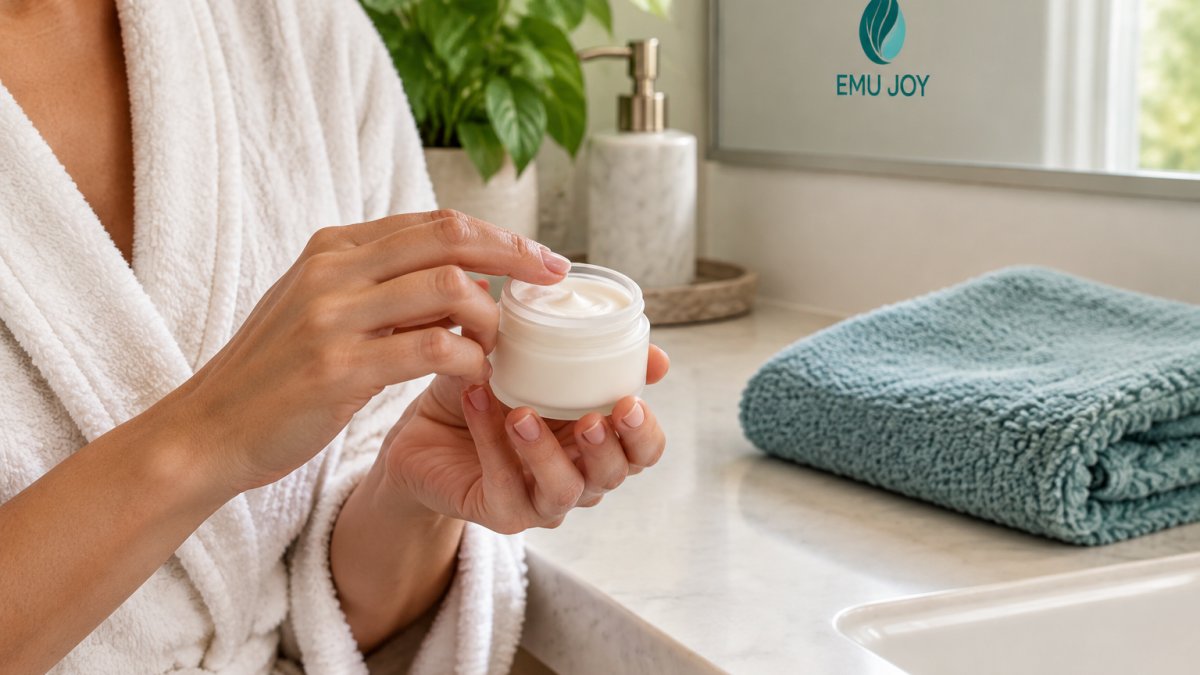
Ointments and balms form a barrier that can help hold moisture in and reduce friction.
Here is how we would choose:
- For everyday dryness: a rich cream with emu oil and soothing botanicals.
- For intense itch or night relief: a thicker ointment or balm for external use.
- For very reactive skin: a single-ingredient oil, so you know exactly what is touching your skin.
Our Soothe My Lichen Sclerosus Kit bundles gentle options for delicate, easily irritated skin, including intimate skin.

A common mistake is layering too many products at once. If something irritates, you will not know which one caused it.
Vaginal Moisturizer vs. Vulvar Moisturizer: What's the Difference?
A vaginal moisturizer is made for inside the vagina. A vulvar moisturizer is made for the external skin of the vulva.
| Feature | Vaginal Moisturizer | Vulvar Moisturizer |
|---|---|---|
| Where it goes | Inside the vagina | External vulvar skin |
| Main job | Internal moisture and comfort | Soothe and protect outer skin |
| Texture | Gel or suppository | Cream, oil, or ointment |
| Fragrance | Should be fragrance-free | Should be fragrance-free |
| Best for | Internal dryness | Itching, irritation, outer dryness |
A lubricant is a third thing, for comfort during sex rather than daily skin care.
Many people need both a vulvar cream and a vaginal moisturizer. That is normal. Just keep them separate and use each where it belongs.
Patch Testing and First Use, Step by Step
Patch testing takes a few days and saves a lot of grief, especially on skin that has already reacted to something.
- Pick a small test spot. The inner forearm or outer thigh works well. Use skin that is not currently irritated.
- Apply a pea-sized amount. Use the product exactly as you would on the vulva.
- Wait 24 hours. Check for redness, burning, or itching.
- Repeat for 2 to 3 days. Some reactions are delayed and show up on day two or three.
- If all is calm, test near the vulva. Try a small amount on the outer labia, not inside the vagina.
- Wait another day. Watch for any sting or flare.
- Apply sparingly to the area of concern. A little goes a long way. Use twice a day, or as needed, on clean, dry skin.
Stop at any step if you feel burning or see redness. That is your sign the product is not right for you.
Watch out: do not test a new product and a new laundry detergent in the same week.
Using Creams With Condoms, Medications, and Other Products
- Condoms and latex barriers. Oil-based products can weaken latex condoms and diaphragms. If you rely on latex barriers, use a polyurethane or polyisoprene condom with oil-based products, or keep the oil away from the barrier.
- Prescribed treatments. If you use a prescription cream, ointment, or estrogen product on the vulva, do not stop or replace it on your own. Ask your doctor or pharmacist about the order to apply products and whether an oil or cream can go on top. The order and combination of products matters for some medications.
- Other products in the routine. Add one new product at a time and give it a few days. If something irritates, you will know which one caused it.
- Internal products. A cream made for external vulvar skin is not automatically suitable for internal vaginal use. Keep external products external unless the label says otherwise.
A common pattern is to start with one simple product, get the skin calm, and only then add a second. That makes reactions easier to spot and easier to stop.
When Symptoms Need a Doctor's Evaluation
Some symptoms need more than a cream. See a doctor if you notice:
- Itching that does not improve after a week or two of gentle care
- White, thin, or cracked patches on the vulva
- Pain, bleeding, or sores
- A change in skin color or texture
These can be signs of lichen sclerosus, an infection, or another condition that needs proper diagnosis. A cream can soothe symptoms, but it cannot replace medical care. If you are managing lichen sclerosus, our guide on how to soothe lichen sclerosus itching covers practical tips to use alongside your doctor's plan.
Never stop or replace a prescribed treatment on your own. Talk with your doctor first.
Finding Your Fragrance-Free Cream
The right cream for sensitive vulvar skin is fragrance-free, short on ingredients, and made for external use.
At Emu Joy, we make nature-inspired, emu oil-based products with short ingredient lists and no added fragrance. Our Soothe My Skin cream is built around pure emu oil, aloe, shea butter, calendula, and chamomile for skin that feels dry, tight, or easily irritated.
For a simple starting point, try Pure Emu Oil on its own.
You do not have to live with constant itch and dryness. Start with one gentle product, patch test it, and build from there.
Sensitive vulvar skin asks for patience and the right formula, not a shelf full of products.
Frequently Asked Questions
What can I put on vulvar irritation?
Start with a plain, fragrance-free cream or ointment made for delicate external skin. Look for short ingredient lists built around emollients like emu oil, shea butter, or jojoba oil, and skip anything with added fragrance, alcohol, or dyes. Apply a small amount to clean, dry skin and pat rather than rub. If irritation continues for more than a week or gets worse, talk with your doctor so they can rule out infection or another cause.
Can I use regular moisturizer on the vulva?
Not every body lotion belongs on vulvar skin. Many contain fragrance, alcohol, or preservatives that sting delicate tissue. A fragrance-free cream formulated for sensitive skin is a safer choice. Check the label for terms like unscented, paraben-free, and sulfate-free, and patch test on your inner arm first. If it burns or itches, stop using it.
Is vulvar dryness the same as vaginal dryness?
No. Vulvar dryness affects the external skin around the opening, while vaginal dryness happens inside the vagina, often around menopause. A vulvar moisturizer or cream goes on the outside to soothe and protect skin. A vaginal moisturizer is used internally. Some people need both, so it helps to know which area is bothering you before you shop.
When should I see a doctor about vulvar itching or irritation?
See a doctor if itching lasts more than a week, keeps you up at night, or comes with sores, bleeding, discharge, or a change in skin color or texture. The same goes for pain during sex or urination. These signs can point to infection, lichen sclerosus, or another condition that needs proper diagnosis. A fragrance-free cream can soothe symptoms, but it does not replace medical care.