Last Updated: October 23, 2026
Quick Summary
The best fragrance-free moisturizers for lichen sclerosus are plain, unscented emollients that seal in moisture and reduce friction without triggering irritation. Look for short ingredient lists free of fragrance, essential oils, and dyes, and patch test each new product on your inner forearm first. Moisturizers support comfort but do not replace prescribed treatment.
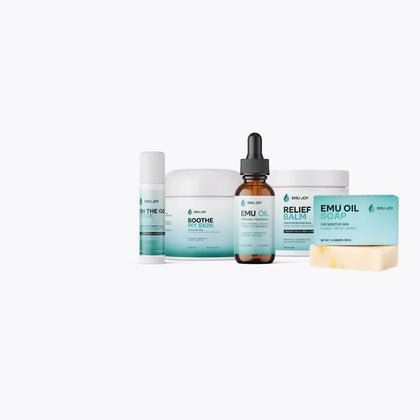
Featured in this guide
Soothe My Lichen Sclerosus Kit
A complete, gentle routine for delicate skin, put together for people living with lichen sclerosus.
- Fragrance is one of the most common reasons a product stings, burns, or sparks a flare-up on vulvar skin.
- Check the ingredient list, not the front label, since unscented products can contain masking fragrance.
- Patch test a pea-sized dab on your inner forearm for 24 to 48 hours before use.
- Petroleum jelly and paraffin ointments are classic barrier emollients but can weaken latex condoms.
- Apply emollient at least twice a day, and more often during a flare-up.
Table of Contents
- Why Fragrance-Free Moisturizers Matter for Lichen Sclerosus
- Safe Emollients for Lichen Sclerosus: What to Look For
- Ingredients to Avoid with Lichen Sclerosus
- Emollient Versus Barrier Cream for Lichen Sclerosus
- A Gentle Lichen Sclerosus Skin Care Routine
- Product Comparison: Texture, Use Case, and Practical Drawbacks
- When to Talk to Your Doctor About Symptoms
- Frequently Asked Questions
Why Fragrance-Free Moisturizers Matter for Lichen Sclerosus
The best fragrance-free moisturizers for lichen sclerosus are plain, unscented emollients that seal in moisture and reduce friction without triggering irritation.
Lichen sclerosus is a chronic inflammatory skin condition that most often affects the vulva and perianal area (ncbi.nlm.nih.gov).
A moisturizer will not treat the underlying inflammation, but it can calm dryness, cut down on friction, and help the skin barrier hold up day to day.
How Emollients Support Vulvar Skin
Emollients soften and smooth the skin by trapping water in and filling the gaps between skin cells.
The vulvar area has a thin, sensitive barrier with little natural lubrication. For a plain-language guide to how your skin barrier works and what supports it, see our explainer.
American Academy of Dermatology guidance on moisturizing and skin barrier care notes that gentle, fragrance-free moisturizers help maintain the skin barrier, which is exactly the goal here.
Safe Emollients for Lichen Sclerosus: What to Look For
Safe emollients for lichen sclerosus are fragrance-free, dye-free, and short on ingredients. Fewer ingredients means fewer chances for a reaction.
A practical checklist helps:
- No added fragrance or perfume, including "natural" fragrance
- No essential oils if your skin is reactive
- No dyes or added color
How to Read a Label Without Getting Overwhelmed
Start with the ingredient list, not the front of the package. In the U.S., ingredients are listed in descending order of concentration, so the first five or six tell you most of what you need to know. If fragrance or a fragrant botanical appears early, put it back.
Watch for these common label traps:
- "Unscented" versus "fragrance-free." Unscented can mean a product contains a masking fragrance to cover the smell of raw ingredients. Fragrance-free is the safer claim, but even then, check the list for parfum or aroma.
- "Natural" fragrance. This is still fragrance. It can be a blend of essential oils or plant extracts that may irritate sensitive skin.
- Botanical extracts. Chamomile, calendula, and lavender sound soothing, but plant extracts are a common source of contact dermatitis on vulvar skin. If your skin is reactive, simpler is better.
Patch Testing: A Step-by-Step Approach
Patch testing is the most useful habit for anyone with reactive skin. It lets you assess a new product before applying it to delicate tissue.
- Choose a test site. The inner forearm is a common choice because the skin is thin and easy to observe.
- Apply a pea-sized dab, not a thick layer.
- Leave it alone for 24 to 48 hours. Do not wash the area or apply anything on top.
- Check for redness, itching, burning, or swelling. If you see any of these, stop using the product.
- Repeat on a second day if the first test is clear. Some reactions are delayed.
- Introduce one new product at a time. If you start three at once and react, you will not know which one caused it.
If a reaction persists or spreads, stop the product and talk with your doctor. Patch testing at home is a screening tool, not a diagnosis.
Petroleum Jelly and Paraffin-Based Ointments
Petroleum jelly and paraffin-based ointments are the classic barrier emollients: fragrance-free, very effective at sealing moisture in, and among the least likely to irritate.
The trade-off is texture. These ointments are thick, greasy, and sit on top of the skin rather than absorbing. For overnight barrier protection, they remain a solid, well-tolerated option.
One practical note: petroleum jelly can degrade latex condoms and dental dams.
Natural Oils: Coconut, Olive, and Emu Oil
Natural oils can work well as emollients, but not all oils suit all skin. Coconut oil and olive oil are common household choices that soften dry skin, though some find coconut oil comedogenic or olive oil heavy.
Emu oil is a refined oil pressed from emu fat, rich in omega 3, 6, and 9 fatty acids, and used traditionally for dry and irritated skin. It absorbs quickly and is generally light rather than greasy. Our Pure Emu Oil is a single-ingredient oil with nothing added, which makes it easy to patch test and layer.
A light oil like emu oil suits daytime layering under clothing. A heavier oil like olive oil may be better for overnight use on very dry patches.
A Note on Preservatives and "Preservative-Free" Products
Water-containing products need preservatives to prevent mold and bacteria growth. Anhydrous products, such as pure oils and petroleum jelly, do not. If you are sensitive to preservatives, an anhydrous product may be simpler, but a cream that claims to be preservative-free yet contains water is a red flag for contamination risk.
Ingredients to Avoid with Lichen Sclerosus
The ingredients to avoid with lichen sclerosus are the ones most likely to sting or sensitize fragile skin: fragrance, essential oils, dyes, alcohol, and harsh preservatives.
Fragrance is the big one. It appears as "fragrance," "parfum," or under botanical scent ingredients. Even "unscented" products can contain masking fragrance, so check the list.
Other common irritants to watch for:
- Essential oils such as lavender or citrus, which smell lovely but can burn reactive skin
- Alcohol-based formulas that dry the skin further
- Added colors and dyes
Emollient Versus Barrier Cream for Lichen Sclerosus
Emollients and barrier creams do different jobs. An emollient softens and moisturizes the skin, while a barrier cream shields skin from moisture and friction.
Soothe My Lichen Sclerosus Kit →
A light emollient suits daytime use under clothing. A thicker barrier product can help overnight or during a flare-up when the skin feels raw.
If dryness and tightness are your main complaints, lean on emollients. If friction and irritation are the issue, a barrier product may help more.
A Practical Comparison by Texture and Use Case
Here is a comparison of common product types by texture, residue, ease of application, and best use case.
| Product Type | Texture | Residue | Ease of Application | Best Use Case | Practical Drawback |
|---|---|---|---|---|---|
| Petroleum jelly | Thick, occlusive | High, greasy | Spreads easily but can feel heavy | Overnight barrier protection | Can stain clothing and weaken latex condoms |
| Paraffin-based ointment | Thick, waxy | Moderate to high | Requires warming to spread | Barrier protection during flares | Can feel sticky and trap heat |
| Rich cream | Thick, creamy | Low to moderate | Absorbs with massage | Daily moisturizing, dry or itchy skin | May be too rich for daytime under clothing |
| Light lotion | Thin, fluid | Low | Absorbs quickly | Daytime use, under clothing | Less occlusive for overnight use |
| Pure oil | Light to medium | Low to moderate | Spreads easily, absorbs fast | Targeted dry patches, layering | Can feel thin for very dry skin |
This table is a starting point, not a prescription. Your skin may prefer one type over another, and that can change with the season or during a flare-up.
How to Layer Emollients and Barrier Products
The general rule is thinnest to thickest: apply a light emollient first, let it absorb, then add a thicker barrier product where you need extra protection.
A simple evening routine might look like this:
- Cleanse gently and pat dry, leaving skin slightly damp.
- Apply a light emollient like Pure Emu Oil to damp skin and let it absorb.
- Apply a thin layer of a richer cream or ointment to areas prone to friction.
- Reapply the barrier layer in the morning if needed.
Condom and Material Compatibility
Oil-based products, including petroleum jelly, mineral oil, and many natural oils, can weaken latex condoms and dental dams. If you use barrier protection, choose a water-based or silicone-based lubricant or moisturizer instead, or check with your clinician about compatibility.
Matching the Product to Your Routine
Your routine should fit your life. If you are short on time in the morning, a light lotion that absorbs quickly may be more realistic than a thick ointment. Consider these questions when choosing:
- How much time do you have? Ointments take longer to apply and absorb.
- What are you wearing? Heavy products can stain clothing or feel uncomfortable under tight garments.
- How often can you reapply? If you are at work all day, a longer-lasting product may be more practical.
When to Reassess Your Product Choice
Skin changes. A product that worked well in winter may feel too heavy in summer. Reassess every few months or whenever your symptoms change.
If you notice persistent irritation, burning, or a reaction that does not settle, stop the product and talk with your doctor. Moisturizers support comfort, but they do not replace prescribed treatment for lichen sclerosus.
A Gentle Lichen Sclerosus Skin Care Routine
A lichen sclerosus skin care routine should be short, fragrance-free, and consistent. Gentle cleansing, a plain emollient, and a protective layer where needed cover most of the ground.
Here is a simple daily framework:
- Cleanse gently with lukewarm water and a mild, unscented wash. Avoid scrubbing.
- Pat dry rather than rubbing, and leave skin slightly damp.
- Apply a plain emollient while skin is still damp to lock in moisture.
- Add a barrier layer where friction is a problem.
- Reapply through the day as skin feels dry or uncomfortable.
If you want a step-by-step routine built for delicate, easily irritated skin, our guide to lichen sclerosus-prone skin care walks through products and daily habits.
Application Frequency and Daily Moisturizing
Most people do well applying emollient at least twice a day, and more often during a flare-up. Little and often beats one heavy application. Reapply after washing, after using the restroom, and whenever skin feels tight. For a fuller walkthrough, see our guide on how to use emu oil for lichen sclerosus.
Product Comparison: Texture, Use Case, and Practical Drawbacks
Choosing between products comes down to texture and how you plan to use them. A rich cream suits overnight comfort, a light lotion suits daytime, and a plain oil suits targeted dry patches. Here is how our fragrance-free options compare.
| Product | Texture | Best Use Case | Practical Drawback |
|---|---|---|---|
| Pure Emu Oil | Light oil, absorbs fast | Targeted dry patches, layering | Can feel thin for very dry skin |
| Soothe My Skin | Rich cream | Daily moisturizing, itchy or irritated skin | Richer than some prefer for daytime |
| Emu Oil Lotion | Lightweight lotion | Daytime, under clothing | Less occlusive for overnight use |
| Emu Oil Oatmeal Soap | Gentle exfoliating bar | Cleansing dry, flaky skin | Not a leave-on moisturizer |
| Soothe My Lichen Sclerosus Kit | Full routine in one box | Building a complete gentle routine | More than someone needs if they only want one product |
For a closer look at fragrance-free products chosen for very sensitive, delicate skin, browse our lichen sclerosus collection.
When to Talk to Your Doctor About Symptoms
Talk to your doctor if symptoms are worsening, not improving with prescribed treatment, or include new sores, bleeding, or changes in the skin.
Seek care promptly if you notice:
- Skin that is tearing, bleeding, or forming sores
- Pain that is getting worse rather than better
- New lumps, bumps, or skin changes
You do not have to manage this alone. Our LS support resources gather support groups, websites, podcasts, and books for people living with lichen sclerosus and their families.
National Library of Medicine overview of lichen sclerosus is a useful starting point for understanding the condition and treatment options to discuss with your clinician.
Lichen sclerosus asks a lot of your skin, and finding a moisturizer that soothes without stinging can feel like a small victory. If you want a gentle starting point, our Soothe My Skin cream and Pure Emu Oil are the two products we recommend most for daily comfort, and the Soothe My Lichen Sclerosus Kit brings a full routine together.


Frequently Asked Questions
What moisturizers are safe to use with lichen sclerosus?
Fragrance-free, gentle moisturizers are the safest choice for lichen sclerosus. Look for plain emollients like petroleum jelly, paraffin-based ointments, or simple natural oils such as coconut oil, olive oil, or emu oil. Avoid products with added fragrance, essential oils, preservatives, or botanical extracts that can irritate sensitive vulvar skin. A good rule is to choose products with short ingredient lists and no added scent. Always patch-test a small area first, and remember that moisturizers support comfort but do not replace prescribed treatment.
Can you use natural oils on vulvar skin with lichen sclerosus?
Yes, many people with lichen sclerosus use natural oils like coconut oil, olive oil, or emu oil to soothe dryness and itching. These oils can help moisturize and support the skin barrier. Emu oil, in particular, is rich in fatty acids and absorbs quickly without a greasy film. However, not all natural oils suit everyone. Avoid oils with added fragrance or essential oils, and patch-test any new oil on a small area of skin first. If irritation occurs, stop using it and talk with your doctor.
Is petroleum jelly or an emollient better for lichen sclerosus?
Petroleum jelly is a type of emollient that creates a barrier and locks in moisture, which can be helpful for very dry or cracked skin. Other emollients like creams or natural oils absorb more quickly and may feel more comfortable for daily use. The best choice depends on your skin's needs and preferences. Some people use petroleum jelly at night and a lighter emollient during the day. Both can be safe for lichen sclerosus as long as they are fragrance-free and gentle. Talk with your doctor about which option suits your situation.
Can moisturizer replace prescription treatment for lichen sclerosus?
No, moisturizer cannot replace prescription treatment for lichen sclerosus. Prescribed treatments, such as topical corticosteroids like clobetasol, are important for managing inflammation and preventing progression. Moisturizers and emollients are supportive care that can help relieve dryness, itching, and irritation, but they do not treat the underlying condition. Always follow your doctor's advice and continue prescribed treatment. Use moisturizers alongside your prescribed routine to keep skin comfortable and support barrier protection.