Table of Contents
- Understanding Lichen Sclerosus and Why Natural Relief Matters
- Lichen Sclerosus Self-Care: Building Your Daily Routine
- Lichen Sclerosus Itching Relief: Immediate Comfort Strategies
- Emollients for Lichen Sclerosus: Choosing the Right Moisturizer
- Lichen Sclerosus Foods to Avoid and Nutrition Support
- Working With Your Doctor: When to Seek Medical Care
- What to Expect: Patience and Consistency
- Frequently Asked Questions
Last Updated: October 14, 2026
Understanding Lichen Sclerosus and Why Natural Relief Matters
Lichen sclerosus is a chronic skin condition causing itching, irritation, dryness, and sometimes pain on sensitive skin, most often in the genital area.

It creates thin, fragile skin prone to irritation and flaking, plus intense itching that disrupts sleep.
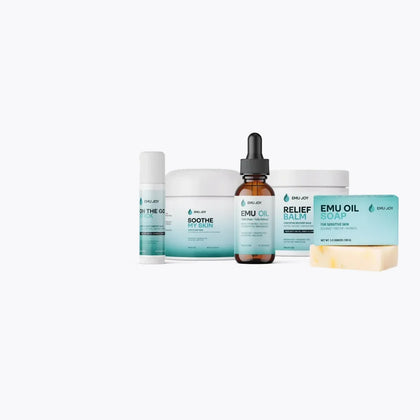
Featured in this guide
Soothe My Lichen Sclerosus Kit
A gentle, complete routine for lichen sclerosus skin care.
At Emu Joy, we work with people managing lichen sclerosus who want gentle skincare as part of their routine.
Lichen Sclerosus Self-Care: Building Your Daily Routine
The foundation of natural relief for lichen sclerosus is a consistent routine: gentle handling, steady moisture, and protection from irritants.
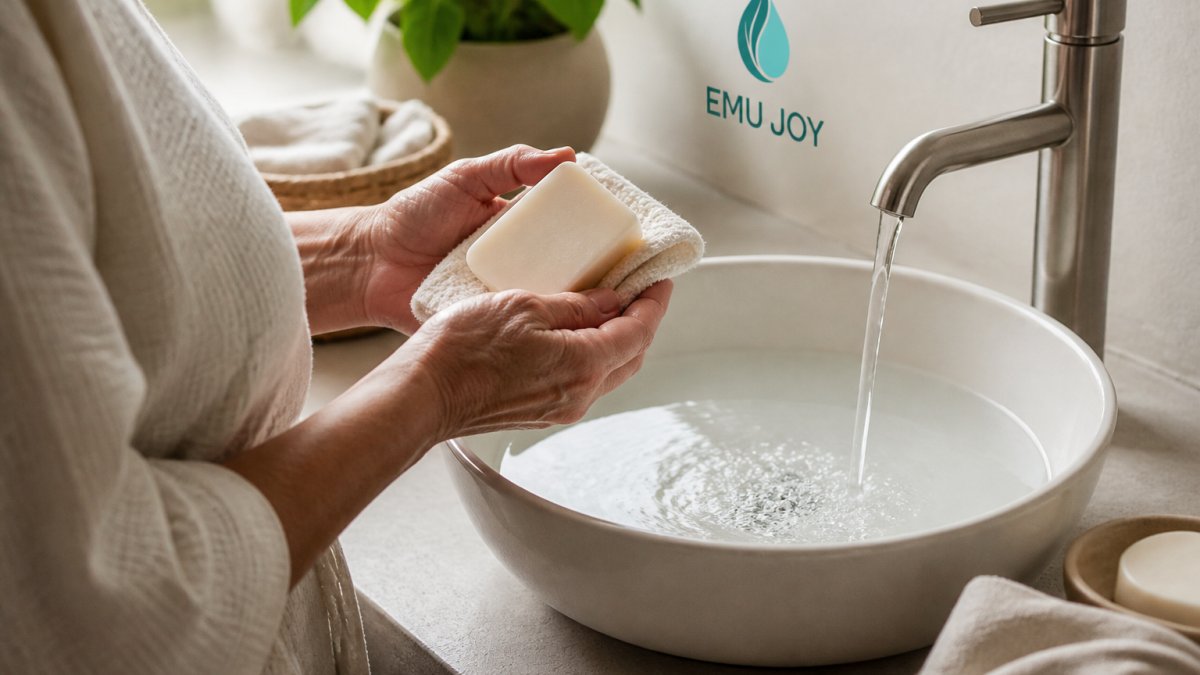
Gentle Hygiene and Cleansing
Harsh soaps strip natural oils and damage the skin barrier, making itching worse. Use lukewarm water and a gentle cleanser made for sensitive skin, like a cold-process soap with emu oil and calendula. Pat dry gently, never rub.

Key cleansing steps:
- Use lukewarm water only
- Choose fragrance-free soap
- Avoid anything with sulfates or harsh detergents
Moisturizing and Barrier Protection
Moisturize immediately after cleansing while skin is slightly damp to lock in hydration and support the barrier. Emu oil absorbs quickly and contains omega-3, omega-6, and omega-9 fatty acids that support barrier function.
Apply moisturizer at least twice daily: after morning cleansing, before bed, and after any cleansing throughout the day. For sensitive genital tissue, a cream often feels more comfortable than a lotion.
Lichen Sclerosus Itching Relief: Immediate Comfort Strategies
Itching is often the most distressing symptom. Cool compresses work quickly: hold a soft cloth soaked in cool (not ice-cold) water against the area for 5-10 minutes to numb itch signals and reduce inflammation.
Avoid these itch triggers:
- Tight clothing or synthetic fabrics
- Fragranced products
- Harsh soaps or body washes
When you feel the urge to scratch, try these instead:
- Apply a cool compress
- Gently pat the area with a soft cloth
- Use a moisturizer with soothing ingredients
Consistent moisturizing often reduces itching more than anything else. Hydrated skin sends fewer itch signals.
Emollients for Lichen Sclerosus: Choosing the Right Moisturizer
An emollient softens and soothes skin by slowing water loss and supporting the barrier. For lichen sclerosus, the right one calms the itch-and-dryness cycle and protects fragile skin from friction and moisture. It does not replace prescribed treatment.
What the Evidence Actually Supports
Sort products by how much real support they have.
Strong, well-established comfort measures:
- Bland, fragrance-free emollients applied to damp skin after washing
- Barrier ointments (petrolatum-based) over areas prone to friction or moisture
- Gentle, non-soap cleansing and thorough but gentle drying
Reasonable, low-risk additions many people report helping:
- Emu oil, rich in omega-3, omega-6, and omega-9 fatty acids, with a long history of traditional use for dry, irritated skin. Published research in journals such as Lipids and Burns has looked at its anti-inflammatory and skin-penetrating properties, though that research is early and mostly small.
- Colloidal oatmeal, calendula, and chamomile in fragrance-free formulations
- Cool compresses for itch flares
Unproven or risky, best avoided:
- Essential oils applied neat to genital skin, even ones marketed as calming
- "Detox" or "balancing" creams with long ingredient lists
- Any product that stings, burns, or makes itching worse within minutes
The honest summary: emollients reliably improve comfort and barrier function, but they are not a substitute for a prescribed topical corticosteroid, and none reverses scarring.
How to Read an Ingredient Label
You don't need to memorize chemistry, just spot ingredients that commonly cause trouble on sensitive genital skin.
Feature |
Look For |
Avoid |
|---|---|---|
Base |
Emu oil, sunflower oil, olive oil, petrolatum |
Alcohol denat., witch hazel, high-water lotions |
Soothing extras |
Aloe, chamomile, calendula, colloidal oatmeal |
Fragrance, parfum, essential oils |
Preservatives |
Phenoxyethanol, minimal preservative load |
Methylisothiazolinone, formaldehyde releasers |
Consistency |
Cream or ointment |
Thin, runny lotion |
Additives |
Short list, no dyes |
Dyes, parabens, "cooling" menthol |
Two notes. Lanolin is an excellent emollient but a common contact allergen, so skip it if you've reacted to wool or lanolin creams before. And "fragrance-free" is not the same as "unscented," which can still contain masking fragrance.
Patch Test Before You Commit
Sensitive skin can react to things that never bothered you before. Test any new product on your inner forearm twice daily for three days, watching for redness, burning, itching, or new bumps. If nothing happens, try a small amount on the affected area. Stop immediately if symptoms worsen. Irritation often builds after a day or two, so give any new emollient a full week before deciding it works.
Fitting Emollients Around Prescribed Treatment
If you use a prescribed topical corticosteroid such as clobetasol, order and timing matter.
- Apply prescribed medication first, to clean, dry skin, exactly as directed.
- Wait the interval your clinician recommends before applying emollient, often 15 to 30 minutes, so the medication is not diluted or spread beyond the treatment area.
- Use emollient liberally the rest of the day and after every wash.
If you are unsure about sequencing, ask your pharmacist.
Emu Oil and Emu Joy Options
Emu oil is a penetrating oil that absorbs rather than sitting on the surface like petrolatum, making it a good fit for daytime moisture without a heavy film. Many people with lichen sclerosus use it as part of their routine and report it soothes irritation and reduces dryness.
For a simple routine:
- Pure Emu Oil for deep moisturizing on skin, and it also works well for hair and scalp if dryness shows up there.
- Soothe My Skin cream with calming botanicals for areas that need a cream rather than an oil.
- A gentle emu oil and calendula soap for cleansing without stripping.
Lichen Sclerosus Foods to Avoid and Nutrition Support
What you eat affects skin health and inflammation. Diet alone won't resolve lichen sclerosus, but certain foods may trigger flares.
Soothe My Lichen Sclerosus Kit →

Foods that may increase inflammation:
- Processed foods with added sugar
- Fried foods and trans fats
- Alcohol, especially wine and beer
Foods that support skin health:
- Leafy greens and colorful vegetables
- Fatty fish rich in omega-3s
- Nuts and seeds
Pay attention to your own triggers. A simple food diary for 2-3 weeks can reveal patterns. Stay hydrated too, since dehydrated skin itches more and heals slower. Nutrition can't replace topical care, but a diet rich in antioxidants and anti-inflammatory foods supports skin from the inside.
Working With Your Doctor: When to Seek Medical Care
Natural relief for lichen sclerosus works best alongside medical care. Untreated, this chronic inflammatory condition can cause permanent scarring and structural changes, and in a small percentage of long-standing cases it is associated with an increased risk of vulvar or penile squamous cell carcinoma. Monitoring matters even when symptoms feel manageable.
Red Flags: Get Seen Promptly
Contact your doctor without waiting for your next scheduled visit if you notice any of the following:
- A new lump, bump, wart-like growth, or raised area
- An open sore, ulcer, or fissure that has not healed in two to three weeks
- Bleeding not related to your period or a known tear
None of these automatically means something serious, and most turn out to be treatable. But they should never be watched at home for months.
What a Reasonable Follow-Up Schedule Looks Like
There is no single national schedule, but a common pattern is:
- Initial diagnosis: confirm with a skin biopsy if there is any doubt, and start treatment.
- First follow-up: usually 4 to 12 weeks after starting treatment, to check response and adjust.
- Once stable: a check every 6 to 12 months, even if you feel fine.
Long-term follow-up is not busywork. Scarring can progress quietly, and regular exams catch changes early. If you have a confirmed diagnosis and haven't been examined in over a year, book a visit.
Talking With Your Doctor About Natural Approaches
Many people hesitate to bring up emu oil, diet changes, or other complementary measures for fear of being dismissed. A little preparation helps.
Try framing it this way:
- "I am using a fragrance-free emollient twice a day in addition to the clobetasol. Is that timing okay?"
- "I have been reading about emu oil for dry, irritated skin. Do you see any reason I should avoid it?"
- "I want to keep using my prescribed treatment. I am just looking for ways to be more comfortable between doses."
Do not announce that you are stopping your prescription because a natural product is helping. Comfort and inflammation control are separate goals, and untreated inflammation drives scarring.
What Your Doctor Can and Cannot Do
Your doctor can:
- Confirm the diagnosis with a skin biopsy when needed
- Prescribe topical corticosteroids such as clobetasol for flares and maintenance
- Monitor for scarring, structural changes, and skin cancer risk
Your doctor cannot:
- Promise that any single product will eliminate symptoms
- Replace the daily self-care that keeps your skin comfortable
- Predict exactly how your condition will behave over the next decade
Differences by Anatomy and Life Stage
Lichen sclerosus does not look or behave the same for everyone, and follow-up should reflect that.
- Vulvar: the most common presentation. Ask about the figure-eight pattern around the vulva and anus, and whether the clitoral area and vaginal opening are being checked for early scarring.
- Penile: often white, shiny patches on the foreskin or glans, sometimes with tightening. In uncircumcised men, phimosis can develop. This warrants prompt evaluation.
- Extragenital: can appear on the thighs, breasts, back, shoulders, and wrists. These areas still need monitoring.
If You Are Also Dealing With Topical Steroid Withdrawal
Some people on long-term topical corticosteroids develop burning, redness, and intense sensitivity when they reduce or stop. This is topical steroid withdrawal, a distinct problem that needs medical management. Do not taper or stop a prescribed steroid on your own. Tell your doctor, because the plan differs from simply switching moisturizers.
Where Emu Joy Fits
Emu Joy products support the daily comfort side of this routine, not medical care. The Soothe My Lichen Sclerosus Kit brings together Pure Emu Oil for deep moisturizing, Soothe My Skin cream with calming botanicals, a gentle soap, and a travel stick. Used alongside prescribed treatment and follow-up, it takes the guesswork out of the emollient step.
What to Expect: Patience and Consistency
Symptom relief doesn't happen overnight. Lichen sclerosus responds to consistent care over weeks, not days.
Realistic expectations:
- Itching usually improves first
- Dryness and flaking take longer to resolve
- Skin texture changes develop gradually
Don't skip days. Your skin barrier needs daily support.
Track what works. Note which products, cleansing methods, and moisturizers feel best. Everyone's skin is different.
Be patient with yourself. Lichen sclerosus is frustrating and uncomfortable. Progress is often slow, but consistency pays off.
Frequently Asked Questions
What calms lichen sclerosus symptoms naturally?
Gentle daily care, consistent moisturizing with emollients, and avoiding irritants provide the most reliable natural relief. Emu oil and products containing it help soothe itching, dryness, and irritation because of their anti-inflammatory properties and ability to penetrate and soften delicate skin. Many people find that a consistent routine of gentle cleansing, frequent moisturizing, and dietary adjustments reduces symptoms over weeks to months. Talk with your doctor about combining natural self-care with any prescribed treatment.
Can emollients really help with lichen sclerosus discomfort?
Yes. Emollients like emu oil, shea butter, and plant-based oils create a protective barrier on sensitive tissue, lock in moisture, and reduce friction that triggers itching. They work best when applied frequently, especially after bathing while skin is still slightly damp. Emu oil penetrates deeply and has been used traditionally for inflammatory skin conditions. Consistent use as part of your daily routine addresses both dryness and irritation.
What foods should I avoid if I have lichen sclerosus?
Common triggers include spicy foods, acidic foods like citrus and tomatoes, alcohol, caffeine, and processed foods high in sugar. These can increase inflammation and irritation. Some people also find that foods high in histamine worsen symptoms. Keep a food diary for a few weeks to identify your personal triggers. Focus on adding anti-inflammatory foods like leafy greens, fatty fish, berries, and whole grains instead of just eliminating foods.
How long does natural relief take to work?
Most people notice reduced itching and improved comfort within 2 to 4 weeks of consistent daily care, but full symptom improvement can take 2 to 3 months or longer. Lichen sclerosus is a long-term condition that responds to patience and consistency rather than quick fixes. Stick with your routine even when progress feels slow. If symptoms worsen or don't improve after 6 to 8 weeks of dedicated self-care, talk with your doctor about whether prescription treatment may help alongside your natural routine.