Table of Contents
- Understanding Itchy Skin and Common Causes
- Home Remedies for Itchy Skin That Work Fast
- Colloidal Oatmeal Bath for Eczema Relief
- How to Relieve Eczema Itching at Night
- Itchy Skin at Night Remedies You Can Start Today
- Best Practices: What to Avoid and When to Seek Help
- Frequently Asked Questions
Last Updated: October 10, 2026
Understanding Itchy Skin and Common Causes
Itchy skin disrupts sleep, work, and daily comfort. At Emu Joy, we understand the frustration of persistent itching. The good news: natural relief for itchy skin works when you address the root cause.
Dry skin is the most common cause, stripping away moisture and triggering itching. Eczema causes inflammation that signals nerves to itch intensely. Environmental irritants like harsh soaps, fragrances, and synthetic fabrics aggravate sensitive skin, as do seasonal changes, low humidity, and hot water.
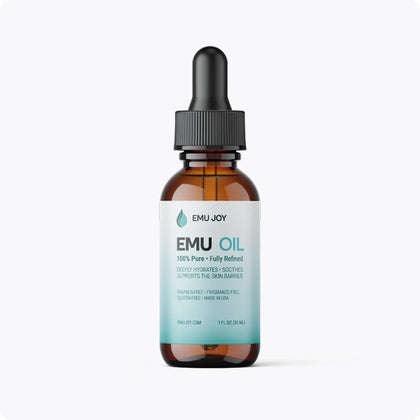
Featured in this guide
100% pure, fully refined emu oil for deep hydration and skin barrier support. Ideal for dry, sensitive, and reactive skin.
Why eczema and dry skin trigger intense itching
When skin loses moisture, the barrier weakens, allowing irritants to penetrate and trigger inflammation. Eczema amplifies this by compromising the protective layer. The resulting inflammation creates the itch cycle: scratching damages skin further, triggering more inflammation and itching.
The itch-scratch cycle and how to break it
The fix starts with preventing the urge to scratch:
- Keep nails trimmed short to minimize damage if you do scratch
- Wear soft, breathable fabrics that don't irritate skin
- Apply cooling treatments that reduce the itch sensation
- Moisturize consistently to restore the skin barrier
- Avoid hot water and harsh cleansers that strip natural oils
Home Remedies for Itchy Skin That Work Fast
Natural relief for itchy skin comes from strategies that cool inflammation, restore moisture, and protect your skin barrier. This section separates evidence-supported remedies from risky ones.
Evidence-supported remedies that are safe and effective
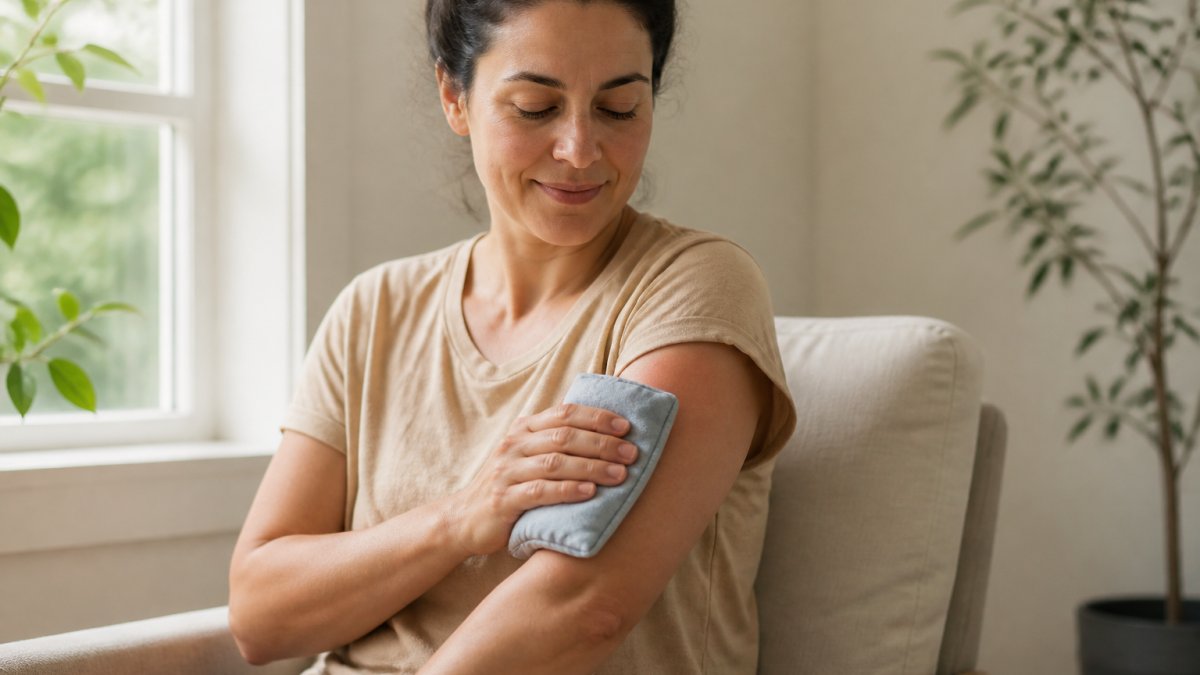
Cool compresses and cold therapy
Cold therapy works immediately by numbing nerve endings and constricting blood vessels, reducing itch sensation and inflammation within minutes.
Here's how to use cool compresses effectively:
- Soak a clean cloth in cool (not ice-cold) water, aim for 60-70°F
- Apply directly to itchy areas for 10-15 minutes
- Repeat 2-3 times daily or whenever itching intensifies
- Pat skin dry gently; do not rub
- Follow immediately with a moisturizer to lock in any residual moisture
Refrigerate moisturizer before applying for extra relief. Avoid ice directly on skin, as extreme cold can cause tissue damage.
Moisturizing with natural oils and ceramide-rich creams
Moisturizing is essential for itchy skin. Natural oils and ceramide-based products penetrate deeply without fillers and synthetic fragrances that trigger reactions.
Emu oil is particularly effective because it absorbs quickly and contains essential fatty acids that mirror skin's natural composition, reaching deeper layers to repair the barrier. Apply moisturizer within 3 minutes of bathing to lock in water and create a protective seal.

Other evidence-supported natural moisturizers include coconut oil (test first as it can be pore-clogging), jojoba oil (mimics skin's natural sebum), shea butter (rich in fatty acids and vitamin E), and ceramide creams (evidence-backed for barrier repair).
Colloidal oatmeal baths
Colloidal oatmeal (finely ground oat powder) is one of the most evidence-supported natural remedies for itchy skin (pubmed.ncbi.nlm.nih.gov). It reduces inflammation and restores moisture through compounds called avenanthramides and beta-glucans.
How to prepare and use:
- Fill your tub with lukewarm water (90-100°F; not hot, as heat worsens itching)
- Add 1-2 cups of colloidal oatmeal to the water
- Stir thoroughly to distribute the powder evenly
- Soak for 10-15 minutes
- Pat skin dry gently and apply moisturizer immediately while skin is still damp
For spot treatment, mix colloidal oatmeal with a small amount of water to create a paste. Apply directly to itchy patches and leave for 10 minutes before rinsing.
Popular DIY remedies to avoid
Many people turn to kitchen ingredients for itch relief, but some common remedies can damage skin and worsen itching. Understanding why these are risky helps you avoid setbacks.
Vinegar and lemon juice: Why acidic ingredients backfire
Vinegar and lemon juice are acidic and damage the skin barrier, disrupting natural pH. They strip the protective acid mantle, cause chemical burns on sensitive skin, and increase long-term inflammation. Avoid them entirely.
Baking soda: Abrasive and alkaline
Baking soda is alkaline and abrasive, disrupting skin's natural pH and causing micro-tears. It worsens inflammation on eczema-prone skin. Colloidal oatmeal is far safer and more effective.
Essential oils: Concentrated irritants
Essential oils are highly concentrated plant compounds that often irritate sensitive skin, causing contact dermatitis, increased inflammation, and photosensitivity. Skip essential oils for itchy skin and stick to fragrance-free, evidence-supported moisturizers.
Honey: Unproven for itching, risk of contamination
Honey is not evidence-supported for itch relief. Raw honey can contain bacteria that contaminate broken skin, and it traps heat, worsening itching. Use clinically tested products designed for sensitive skin instead.
When to use natural remedies and when to move to OTC treatments
Start with evidence-supported natural remedies (cool compresses, moisturizing, colloidal oatmeal) for mild to moderate itching. These are safe, low-cost, and effective for most cases of dry skin and early-stage eczema flares.
If itching persists after 5-7 days of home care or is severe, add OTC hydrocortisone cream (1%) while continuing barrier repair. If itching doesn't improve after 10-14 days, worsens, spreads, or shows signs of infection, consult a healthcare provider.
Colloidal Oatmeal Bath for Eczema Relief
Colloidal oatmeal is finely ground oat powder that suspends in water rather than sinking. It's been used for centuries because it genuinely works, it reduces inflammation, soothes irritation, and restores moisture to compromised skin.
How to prepare and use an oatmeal bath
- Fill your tub with lukewarm water (not hot, heat worsens itching)
- Add 1-2 cups of colloidal oatmeal to the water
- Stir thoroughly to distribute the powder evenly
- Soak for 10-15 minutes
- Pat skin dry gently and apply moisturizer immediately while skin is still damp
For spot treatment, mix colloidal oatmeal with a small amount of water to create a paste. Apply directly to itchy patches and leave for 10 minutes before rinsing.
Why oatmeal soothes inflammation and redness
Oatmeal contains compounds called avenanthramides that have natural anti-inflammatory properties (pubmed.ncbi.nlm.nih.gov). These compounds reduce the inflammatory response that causes itching and redness. Oatmeal also contains beta-glucans, which form a protective layer on your skin and help it retain moisture.
The cooling effect of the bath itself reduces nerve sensitivity.
How to Relieve Eczema Itching at Night
Nighttime itching is often worse than daytime itching. Your skin loses moisture while you sleep, and the reduced sensory input makes you more aware of itch sensations. Bedtime routines that address these factors make a real difference.
Why itching worsens when you sleep
Cortisol levels drop at night, reducing anti-inflammatory response and allowing inflammation to intensify. Heat from bedding causes sweating that dehydrates skin, and reduced distraction makes you more aware of itch sensations.
Bedtime routines to reduce nighttime itch
Start your routine 30 minutes before bed:
- Take a lukewarm bath with colloidal oatmeal
- Pat skin dry gently
- [Apply a rich moisturizer like Emu Joy's Pure Emu Oil](https://emujoy.com/products/pure-emu-oil) while skin is still slightly damp
- Layer a heavier cream on top for extra barrier protection
- Wear soft, breathable pajamas
- Keep your bedroom cool (around 65-68°F)
- Use cotton sheets and blankets
The key is creating multiple protective layers before bed. Your skin will stay hydrated through the night, reducing the urge to scratch.

Itchy Skin at Night Remedies You Can Start Today
Nighttime itching requires specific strategies beyond general moisturizing. These targeted approaches address the unique challenges of sleeping with irritated skin.
Adjusting your sleeping environment
Your bedroom environment directly impacts skin health. Heat and humidity trigger sweating, which dehydrates skin and worsens itching. A cool, dry bedroom protects your skin barrier while you sleep.
Temperature control:
- Keep your room between 65-68°F
- Use a fan to circulate air and prevent heat buildup
- Choose breathable bedding materials
- Avoid heavy blankets that trap heat
Humidity matters too. Very dry air (below 30% humidity) can worsen dryness, but high humidity (above 60%) promotes sweating. Aim for 40-50% humidity.
Nighttime moisturizing and protective barriers
Apply moisturizer in layers about 30 minutes before bed. This gives each layer time to absorb before you lie down.
Layer 1: Apply pure emu oil to damp skin. The oil penetrates deeply and repairs the barrier.
Layer 2: Apply a richer cream like Soothe My Skin over the oil. The combination creates a seal that locks in moisture.
Layer 3 (optional): For severe cases, apply a thin layer of fragrance-free balm over the cream.
Wear cotton gloves to prevent scratching while you sleep. If itching wakes you, apply a cool compress before reapplying moisturizer.
Nighttime Strategy |
Application |
Duration |
|---|---|---|
Cool compress |
Apply to itchy areas |
10-15 minutes |
Emu oil layer |
Massage into damp skin |
Absorbs in 5-10 minutes |
Cream layer |
Apply over oil |
Stays on skin overnight |
Cotton gloves |
Wear throughout sleep |
All night |
Best Practices: What to Avoid and When to Seek Help
Knowing what makes itching worse is as important as knowing what helps. Common mistakes can undo all your relief efforts.
Common mistakes that make itching worse
Hot water feels soothing temporarily but strips natural oils and worsens itching long-term. Use lukewarm water instead, it cleanses without damaging the barrier.
Fragrance and dyes in products trigger reactions in sensitive skin. Choose fragrance-free options exclusively. Many "gentle" products still contain fragrance compounds that cause problems.
Over-washing removes protective oils. Bathe once daily maximum, and use a gentle cleanser. For spot cleaning, just rinse with water.
Scratching, even briefly, damages the barrier and intensifies inflammation. The itch-scratch cycle is real.
Tight clothing traps heat and sweat. Choose loose, breathable fabrics like cotton.
Red flags that signal you need medical attention
Seek medical attention if itching persists despite consistent home care for more than two weeks. Severe itching that disrupts sleep and daily function needs professional evaluation.
Signs of infection, oozing, pus, increased warmth, or spreading redness, require immediate attention. Infected skin won't improve with home remedies alone.
If itching is accompanied by other symptoms like fever, swollen lymph nodes, or systemic rash, contact a healthcare provider. These can indicate conditions requiring medical treatment.
For conditions like lichen sclerosus, which causes intense itching and pain, professional guidance is essential. Home remedies support treatment but don't replace it.
At Emu Joy, we provide natural, effective solutions for itchy skin. Our Soothe My Rash Kit combines pure emu oil with complementary products designed specifically for persistent itching and inflammation.

Frequently Asked Questions
What are the best natural remedies for itchy skin relief?
The most effective natural relief for itchy skin includes cool compresses, colloidal oatmeal baths, pure emu oil, moisturizing creams with aloe and shea butter, and lukewarm (not hot) baths. Cool therapy reduces inflammation immediately, while moisturizers like emu oil repair the skin barrier and prevent moisture loss. Oatmeal baths soothe inflammation and reduce redness.
Why is eczema itchy at night, and how can I relieve it?
Eczema itching intensifies at night because body temperature rises, moisture evaporates from skin, and there are fewer distractions from the sensation. To relieve nighttime itch, apply moisturizer like Soothe My Skin cream or pure emu oil to damp skin before bed, keep your bedroom cool and humid, wear soft cotton sleepwear, and avoid scratching by keeping nails trimmed. A cool compress applied before sleep can also reduce the urge to scratch during the night.
How long does it take for itchy skin to improve with home remedies?
Consistency matters more than speed—applying remedies twice daily yields better results than sporadic use.
When should I see a doctor about persistent itching?
Seek medical attention if itching persists longer than two weeks despite home care, if it spreads to new areas, if you develop signs of infection (warmth, pus, or oozing), if itching severely disrupts sleep or daily life, or if you suspect an underlying condition like lichen sclerosus or severe eczema. Also consult a doctor if home remedies cause increased redness, blistering, or pain, as this may signal an allergic reaction or worsening condition.