Last Updated: November 14, 2026
Quick Summary
A dry itchy scalp usually comes from cold weather, hot water, harsh shampoos, or product buildup, and it often improves with a gentle routine. Wash two to three times a week with a moisturizing shampoo, use lukewarm water, and apply a pure oil before washing. If itching lasts more than two to three weeks, see a doctor.
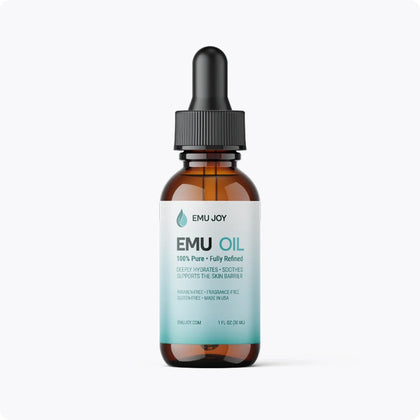
Featured in this guide
Nature's best multi-tasker. 100% pure, fully refined emu oil. Ideal for dry, sensitive, or reactive skin. Our hero product.
- Cold weather, hot showers, and harsh shampoos commonly strip the scalp's natural oil layer.
- Wash two to three times a week with a gentle, moisturizing shampoo.
- Use lukewarm water and rinse thoroughly to avoid residue.
- Apply pure emu oil once or twice a week, massaging it into the scalp itself.
- See a doctor if itching lasts more than two to three weeks despite home care.
Table of Contents
- Why Your Scalp Feels Dry and Itchy
- Dry Scalp Versus Dandruff and Other Scalp Conditions
- Home Remedies for Dry Scalp and Dandruff: What Helps and What Doesn't
- Moisturizer for Dry Scalp: Using Emu Oil Safely
- How to Stop an Itchy Scalp Immediately
- A Simple Home Routine and When to Stop
- When to See a Doctor About an Itchy Scalp
- Frequently Asked Questions
Why Your Scalp Feels Dry and Itchy
If your scalp feels tight, flaky, and itchy, you are not alone. Dry scalp is common and often comes from weather, harsh shampoos, or hot water.
Your scalp has a natural oil layer that keeps moisture in and irritants out. When it gets stripped, the skin dries and starts to itch.
Common triggers include:
- Cold, dry weather and indoor heating
- Very hot water when you wash
- Shampoos with strong sulfates or heavy fragrance
Emu oil is one option many people use to soothe a dry scalp.
Dry Scalp Versus Dandruff and Other Scalp Conditions
Dry scalp and dandruff can look alike, but they are not the same, and the treatment that helps one can make the other worse. Getting the distinction right is the most useful step before you try any remedy.
Dry scalp
What it looks like: Small, fine white flakes that fall easily. The scalp feels tight, dry, and itchy.
What helps: Moisture and gentle care. Fewer washes with a moisturizing shampoo, lukewarm water, and a soothing oil applied before washing.
What to do next: Try a two to four week gentle routine. If it does not improve, move down this list.
Dandruff
What it looks like: Larger, oilier flakes that can be yellowish and tend to stick to the hair and shoulders. Mild redness is common.
What helps: Dandruff is linked to a yeast called Malassezia, so antifungal ingredients often matter more than moisture alone.
What to do next: If a gentle routine does not help after two to three weeks, try an over-the-counter antifungal shampoo. See a doctor if it persists.
Seborrheic dermatitis
What it looks like: Greasy, yellowish scales with redness, sometimes crusting.
What helps: This is a medical condition that often needs prescription-strength antifungal or anti-inflammatory treatment. Gentle cleansing helps, but home remedies alone are usually not enough.
What to do next: See a doctor or dermatologist for a diagnosis and treatment plan.
Psoriasis
What it looks like: Thick, well-defined patches with silvery scale. The patches are raised and have clear edges. Psoriasis can extend beyond the hairline and may involve the nails.
What helps: Psoriasis is an immune-mediated condition and usually needs prescription treatment.
What to do next: See a doctor or dermatologist. Do not pick or scratch the patches.
Contact dermatitis
What it looks like: Itching, burning, or redness that started after a new shampoo, dye, styling product, or remedy.
What helps: Stop the product. Rinse with cool water. A gentle, fragrance-free routine helps while the skin calms.
What to do next: Identify and avoid the trigger. See a doctor if the reaction is severe or spreading.
Eczema of the scalp
What it looks like: Dry, itchy, inflamed patches that may ooze or crust when scratched. Eczema often appears elsewhere on the body too.
What helps: Gentle, fragrance-free cleansing and moisturizing. Avoid harsh shampoos and hot water.
What to do next: If the scalp is weeping, crusted, or very itchy, see a doctor. Eczema often needs prescription treatment during flares.
A quick comparison
- Dry scalp: Fine white flakes, tightness, improves with moisture
- Dandruff: Larger oily flakes, mild redness, responds to antifungal shampoo
- Seborrheic dermatitis: Greasy yellow scales, redness, crusting, needs medical care
Red flags that mean see a doctor
Some signs should not wait. See a doctor or dermatologist if you notice:
- Itching that lasts more than two to three weeks despite home care
- Flaking that spreads or worsens
- Thick, silvery, or crusted patches
A doctor can confirm what is going on and rule out fungal infections or other conditions that need prescription treatment.
If your scalp is dry and irritated rather than infected, a gentle routine with Pure Emu Oil or Soothe My Skin can help soothe itching and flaking while you figure out the cause.
Home Remedies for Dry Scalp and Dandruff: What Helps and What Doesn't
Most remedy lists tell you what to try. Fewer tell you how strong the evidence is, how to apply it safely, or when to stop. Here is an honest look at the most common home remedies for a dry, itchy scalp.
Coconut oil
The trade-off: coconut oil is comedogenic for some people and can feel heavy on fine hair. If you have seborrheic dermatitis, the extra oil can feed the yeast that drives it. Use it as a pre-wash treatment, not a leave-in, and wash it out thoroughly.
Olive oil
Olive oil is a good moisturizer and easy to find. It is high in oleic acid, which penetrates well but can feel greasy and is hard to rinse from thick hair. There is no strong scalp-specific evidence for it, but it is generally safe for dry skin. Do not use it on broken or weeping skin, and do not leave it on for days.
Tea tree oil
The safety side matters just as much. Tea tree oil is a known allergen and must never be applied undiluted. A safe dilution for scalp use is about 1% to 2%, roughly 6 to 12 drops per ounce of carrier oil. Patch test first, and stop if you feel burning or stinging.
Aloe vera
Aloe vera is generally gentle, and many people find it a soothing choice when the scalp feels hot or irritated. Use pure aloe gel, not a gel with added fragrance or alcohol, and rinse if it leaves residue.
Apple cider vinegar
Undiluted ACV can burn skin and irritate broken scalp. If you try it, dilute one part ACV to three or four parts water, apply only to intact skin, and rinse after a few minutes. Do not use it on open sores or after scratching.
Jojoba oil and other options
Jojoba oil is close to the skin's own sebum, so it absorbs well and is less likely to clog pores than coconut oil. Avocado oil and banana masks show up in home remedy lists, but the evidence for either is very limited. Treat them as comfort measures, not treatments.
How to apply any scalp remedy
A few rules apply to all of the above:
- Patch test behind the ear or on the inner arm for 24 hours before using on the scalp.
- Apply to the scalp, not just the hair. Part your hair in sections so the product reaches skin.
- Leave oil-based remedies on for 30 minutes to overnight, then shampoo gently.
- Rinse thoroughly. Residue can cause buildup and more itching.
- Start with one remedy at a time so you can tell what is helping.
Watch out: essential oils like tea tree and acidic rinses like apple cider vinegar can cause contact dermatitis if used undiluted or too often.
If you want a single-ingredient option, Pure Emu Oil is a reasonable place to start.
Here is a quick look at the most common home remedies, with what each is best for and the main thing to watch out for.
| Remedy | Best for | Key caution |
|---|---|---|
| Coconut oil | Pre-wash moisture treatment | Can feel heavy and may feed yeast in seborrheic dermatitis |
| Olive oil | Easy everyday moisturizing | Greasy and hard to rinse from thick hair |
| Tea tree oil | Diluted antifungal-style use | Never apply undiluted; patch test first |
| Aloe vera | Soothing a hot, irritated scalp | Choose pure gel without added fragrance or alcohol |
| Apple cider vinegar | Diluted rinse on intact skin | Undiluted use can burn; avoid open sores |
| Jojoba oil | Absorbs well, close to skin's own sebum | Evidence for scalp use is limited |
Moisturizer for Dry Scalp: Using Emu Oil Safely
Emu oil is a simple option for a dry scalp. It is rich in omega 3, 6, and 9 fatty acids.
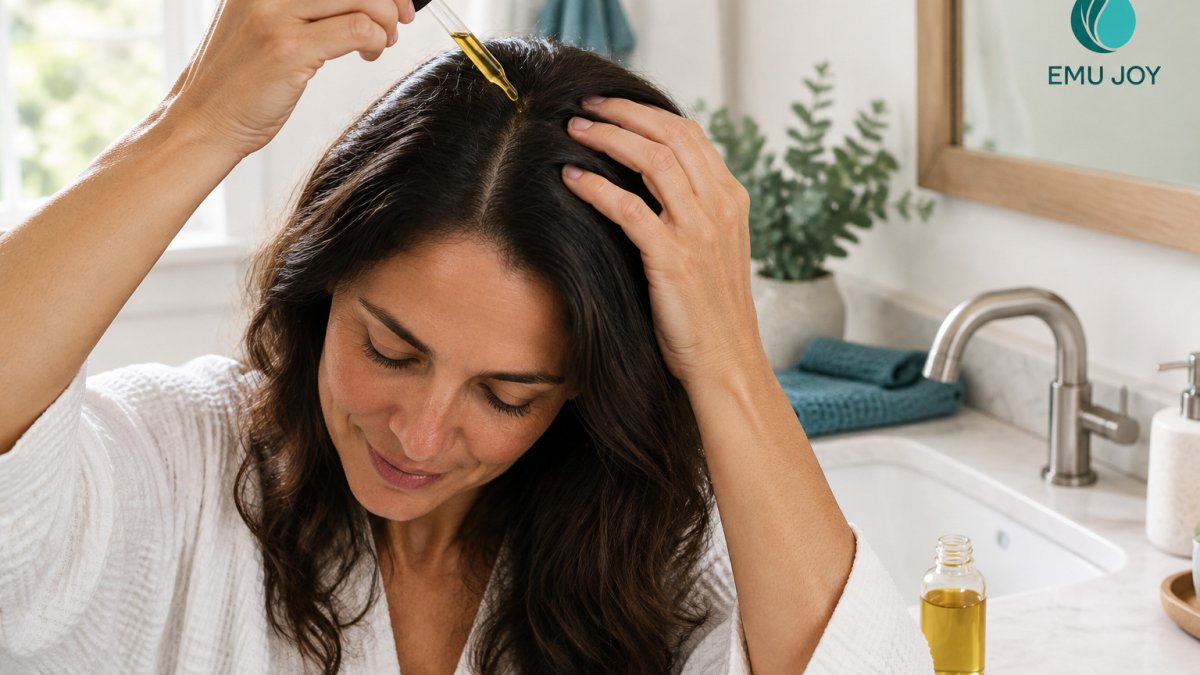
Pure Emu Oil is a single-ingredient oil with nothing added. Use it like this:
- Part your hair in sections.
- Warm 2 to 3 drops between your fingers.
- Massage gently into the scalp, not just the hair.
- Leave it on for 30 minutes or overnight.
- Shampoo gently to remove the oil.
Start with a small amount. If you want more background, read Emu Oil For Hair Growth for how emu oil is used for hair and scalp care. You can also learn about how the oil is sourced and how emu oil is processed before you decide.
Many people also like a gentle routine. Soothe My Skin has no synthetic fragrance and contains botanical oils, so check the label if you have a strong reaction to plant ingredients.
How to Stop an Itchy Scalp Immediately
When itching hits hard, a few quick steps can bring fast comfort. These will not fix the root cause, but they can calm the moment.
- Use cool water, not hot, to rinse your scalp.
- Gently pat, do not scratch, the itchy area.
- Apply a thin layer of pure oil or aloe to soothe the skin.
Scratching can break the skin and make things worse.
A Simple Home Routine and When to Stop
A steady routine works better than many different products. Try this for two to four weeks:
- Wash: Two to three times a week with a gentle, moisturizing shampoo.
- Water: Use lukewarm water, not hot.
- Oil: Apply pure emu oil once or twice a week, or before a longer wash.
Stop a remedy and speak with a doctor if you see signs of infection, such as pus, spreading redness, warmth, or pain. Stop any product that causes burning or swelling.
If your scalp is clearly better after a few weeks, keep the routine that worked. If there is no change, it is time to get help.
When to See a Doctor About an Itchy Scalp
Home care is a good first step, but some symptoms need a professional. See a doctor or dermatologist if:
- Itching lasts more than two to three weeks despite home care
- Flaking spreads or worsens
- You see thick, silvery, or crusted patches
A doctor can check for conditions like psoriasis, seborrheic dermatitis, or fungal infections. These often need prescription treatment. Emu oil and other home remedies are not a replacement for medical care.
Pure Emu Oil and Soothe My Skin are good options to try alongside your routine. Start with one product, give it time, and see how your scalp responds.
Frequently Asked Questions
What vitamin am I lacking if my scalp itches?
There is no single vitamin that reliably explains an itchy scalp. Dryness, product buildup, cold or dry air, and conditions such as seborrheic dermatitis are far more common causes. If itching persists or you notice hair loss, a doctor can check for nutritional gaps through a simple blood test rather than guessing. Do not start high-dose supplements on your own, since some vitamins cause problems at high levels. Improving scalp moisture and gentle washing often brings more relief than a supplement would.
How can I tell the difference between dry scalp and dandruff?
Dry scalp usually produces small, white, powdery flakes that fall out easily and make the skin feel tight or rough. Dandruff tends to create larger, oilier flakes that cling to the scalp and hair, often with redness or greasy patches. Dandruff is frequently linked to seborrheic dermatitis, which can also affect the eyebrows, sides of the nose, and ears. If your scalp is thick with yellowish scale, painful, or spreading, see a doctor rather than relying on home care alone.
Will vinegar stop an itchy scalp?
Diluted apple cider vinegar is a popular home remedy, but evidence that it stops itching is limited. Its acidity can irritate broken or sensitive skin, so never apply it undiluted. If you try it, mix a small amount with water, test a patch first, and rinse thoroughly. Stop immediately if stinging, burning, or redness develops. Vinegar may help rinse away buildup for some people, but it should not replace moisturizing care or medical treatment.
When should I see a doctor about an itchy scalp?
See a doctor if itching lasts more than two to three weeks despite gentle home care, if you notice hair loss, bleeding, pus, or crusting, or if the scalp is painful or spreading to the face or body. Children with persistent scalp itching should also be checked. A doctor can rule out fungal infection, psoriasis, eczema, and other conditions that need prescription treatment. Keep using any prescribed medication as directed, and talk with your doctor before changing it.