Last Updated: October 23, 2026
Quick Summary
To soothe lichen sclerosus itching, cool the area with a clean cold compress for 5 to 10 minutes, apply your prescribed corticosteroid ointment exactly as directed, then seal in moisture with a fragrance-free emollient. Stop the scratch cycle early and keep the routine consistent, since inflammation calms over weeks, not hours.
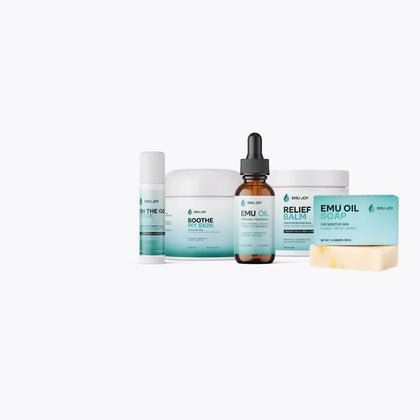
Featured in this guide
Soothe My Lichen Sclerosus Kit
A complete, gentle routine for delicate skin, put together for people living with lichen sclerosus.
- Wrap a clean soft cloth in a towel and hold it against the area for 5 to 10 minutes, never ice directly.
- Apply a pea-sized amount of prescribed ointment to dry skin and massage it in gently.
- Do not stop your treatment early because the itch settles before the inflammation does.
- Wash with plain water or a fragrance-free cleanser once a day and skip scented soaps and wipes.
- Contact your doctor if itching persists despite regular treatment or new sores, splits, or bleeding appear.
Table of Contents
- Start Here: A Step-by-Step Plan for Lichen Sclerosus Itching
- Step 1: Cool the Area Before You Touch It
- Step 2: Apply Your Prescribed Treatment as Directed
- Step 3: Seal in Moisture and Protect the Skin
- Lichen Sclerosus Treatment for Itching: What Actually Works
- How to Calm a Lichen Sclerosus Flare-Up
- What to Avoid With Lichen Sclerosus During a Flare
- Your Lichen Sclerosus Skin Care Routine, Morning to Night
- When Lichen Sclerosus Itching Needs a Doctor's Review
- Frequently Asked Questions
Start Here: A Step-by-Step Plan for Lichen Sclerosus Itching
Lichen sclerosus itching is one of the most common and most wearing symptoms of this chronic skin condition, and the good news is that a calm, consistent routine can ease it.
The short answer: cool the area first, apply your prescribed treatment exactly as directed, then seal in moisture and protect the skin. Everything else supports those three steps.
If you are new to the condition, it helps to understand what is happening. For a broader overview of what lichen sclerosus is and how it is diagnosed and managed, start there before working through the steps below. Lichen sclerosus is a long-term inflammatory skin condition that most often affects the vulval skin and surrounding area, causing thin, pale, fragile patches that itch, sting, and tear easily (ncbi.nlm.nih.gov).
Below, we show you exactly how to work through a flare, what to avoid, and when to call your doctor.
Step 1: Cool the Area Before You Touch It
The first move in soothing lichen sclerosus itching is to cool the skin before your hands get anywhere near it.
Cold works on itch in two ways. It numbs the nerve endings that carry the itch signal, and it narrows blood vessels to reduce heat and swelling in irritated skin. For lichen sclerosus, where the skin is thin and fragile, cooling also calms the urge to scratch that can tear tissue.
Here is how to do it safely:
- Use a cold compress, not ice. Wrap a clean, soft cloth in a towel or flannel and hold it against the area for 5 to 10 minutes. Never place ice directly on the skin. Direct ice can damage fragile skin and cause a cold burn.
- Keep the cloth clean and use a fresh one each time. Bacteria thrive in damp fabric, and lichen sclerosus skin is more vulnerable to infection.
- Pat dry gently afterward, never rub. Rubbing creates friction that triggers more itching.
- Trim your nails short and wear cotton gloves at night if you scratch in your sleep. This is a simple barrier that protects the skin from unconscious damage.
- Avoid prolonged cooling. If the skin goes numb or turns very pale, stop. Ten minutes is usually enough.
A common pattern is to keep a small stack of soft cloths in the freezer, each wrapped in a clean towel.
If you have broken skin, sores, or splits, use a cool compress rather than cold. Extreme cold on open skin can be painful and slow healing.
Step 2: Apply Your Prescribed Treatment as Directed
Prescription topical corticosteroid ointment is the main treatment for lichen sclerosus, and it works by calming the inflammation that drives the itch.
Your doctor will tell you which strength to use, how often, and for how long. Follow that plan exactly. A few habits make a real difference:
- Apply to dry skin, not damp skin, unless your doctor says otherwise. Water on the skin can dilute the ointment and change how much medicine is absorbed.
- Use a pea-sized amount per area and massage it in gently. More is not better. Too much steroid thins already fragile skin.
- Wash your hands afterward unless your hands are the treated area.
- Do not stop early because you feel better. The inflammation often settles after the itch does. Stopping too soon lets it return.
- Do not use the ointment on broken skin without checking first. If the skin is split or bleeding, your doctor may want you to wait or use a different approach.
- Keep a simple log. Note the date you started, how often you apply, and any changes. This helps your doctor adjust the plan at follow-up.
Many people worry about steroid ointment.
A common question is whether to use the ointment during a flare or only between flares.
If you want to understand how emu oil fits alongside your prescribed regimen, our guide on treatment for lichen sclerosus with emu oil explains what to raise with your doctor first.
Step 3: Seal in Moisture and Protect the Skin
Once treatment is on, moisture is your next job. Dry, fragile skin itches more and tears more easily, so a plain, fragrance-free emollient applied after your treatment helps hold water in the skin and support the barrier.
Emu oil is a single-ingredient oil with a fatty acid profile that includes omega 3, 6, and 9, and it has a long history of traditional use on dry, irritated skin. For very sensitive, delicate skin, our fragrance-free lichen sclerosus skin care products include a gentle cleanser, pure oil, comfort cream, and balm.
Order matters:
- Prescribed ointment first, if it is due
- Wait a few minutes
- Then apply emollient or oil to the surrounding skin
- Reapply moisture after every wash
Lichen Sclerosus Treatment for Itching: What Actually Works
What actually works for lichen sclerosus itching is regular use of prescribed treatment plus steady skin care, not quick fixes.
Here is what helps, and what does not.
Soothe My Lichen Sclerosus Kit →
| Approach | What it does | What to expect |
|---|---|---|
| Prescribed steroid ointment | Calms inflammation at the source | Gradual relief over weeks |
| Emollients and emu oil | Support the skin barrier, reduce dryness | Softer, less irritated skin |
| Cold compresses | Temporary itch relief | Minutes of calm |
| Antihistamine at bedtime | May help night itching | Varies by person |
| Scratching | Breaks skin, worsens itch | More irritation |
Antihistamines are sometimes suggested for itching at night, but they do not treat the cause.
The honest limit: no cream removes lichen sclerosus. Treatment controls symptoms and helps prevent scarring, which is why follow-up matters as much as the ointment itself.
How to Calm a Lichen Sclerosus Flare-Up
Calming a lichen sclerosus flare-up means going back to basics and being gentler than usual.
Start with the three steps above. Then tighten these:
- Wash with plain water or a fragrance-free cleanser, once a day
- Skip scented soaps, bubble baths, and wipes
- Wear loose-fitting clothing and breathable fabric
- Change out of damp swimwear or workout clothes promptly
- Use unscented toilet paper
- Keep the area dry without rubbing
For a fuller walkthrough of natural self-care, emollients, and when to seek medical care, our guide on natural relief for lichen sclerosus covers it in detail.
Flare-ups often follow friction, heat, or a missed stretch of treatment. Look back at the week before and you will usually find the trigger.
What to Avoid With Lichen Sclerosus During a Flare
Knowing what to avoid with lichen sclerosus during a flare matters as much as what you apply. Several everyday habits quietly drive irritation.
- Scratching and rubbing. It tears fragile skin and starts a worse itch cycle.
- Fragranced products. Soaps, washes, laundry detergent, and wipes all leave residue.
- Tight clothing and nylon. Friction and trapped moisture irritate vulval skin.
- Long, hot soaks. Heat and soap strip the skin barrier.
- Douching and harsh hygiene. Gentle hygiene means water and a mild cleanser, nothing more.
- Ignoring persistent symptoms. Scarring changes can happen without pain, so keep appointments.
Diet comes up often. Some people find certain foods make symptoms worse, and a low-oxalate approach is sometimes discussed. If you want to explore that, our article on the lichen sclerosus diet and foods to avoid lays out what is known and what to discuss with your doctor.
Your Lichen Sclerosus Skin Care Routine, Morning to Night
Morning: rinse with plain water, pat dry, apply emollient.

Midday: reapply moisture after using the bathroom or after exercise.
Evening: gentle wash with a fragrance-free cleanser, pat dry, prescribed treatment if due, then emollient.
Bedtime: a slightly thicker layer of moisture, cotton gloves if you scratch, and a cool room.
A plain bar soap with calendula and emu oil cleanses without stripping, which matters when every product touches sensitive skin.
When Lichen Sclerosus Itching Needs a Doctor's Review
Some itching needs a doctor's review rather than another home remedy. Contact your care team if any of these apply:
- Itching that persists despite regular treatment
- New sores, splits, or bleeding that do not heal
- Skin that looks thickened, white, or changed in texture
- Pain that wakes you or stops you sitting comfortably
- Any new lump, ulcer, or area that feels different
- Trouble passing urine or pain with sex that is getting worse
These signs do not automatically mean something serious, but they need a proper look. Scarring and irreversible changes can develop quietly, and early review gives you more options.
If you have not had a diagnosis yet, ask for a medical assessment rather than guessing. A doctor can confirm what is going on and start a treatment plan.
Lichen sclerosus itching is manageable, but it asks for patience and a routine you actually keep. Our Soothe My Lichen Sclerosus Kit brings the gentle cleanser, pure emu oil, comfort cream, balm, and travel stick together for delicate, easily irritated skin.

Frequently Asked Questions
Why does lichen sclerosus itch so much?
The itching comes from inflammation in the affected skin, which is why it often feels worse at night when you are still and have nothing else to focus on. Scratching then damages the skin further and makes the next round of itching more intense. That cycle is why treatment aims at the inflammation itself, not just the sensation. A prescribed topical corticosteroid is the standard first step, and gentle skin care plus a cold compress helps you ride out the urge to scratch while the treatment takes effect. Talk with your doctor if the itch is not settling.
Can a cool compress help soothe lichen sclerosus itching?
Yes. A cold, wet cloth held against the area for a few minutes takes the edge off the itch and reduces the urge to scratch. Use a clean soft cloth, wring it out so it is damp rather than dripping, and keep it cool rather than ice cold. Pat the skin dry afterward and apply a fragrance-free moisturizer while the skin is still slightly damp. Never rub, and never share the cloth. If cold makes your skin sting, stop and try a shorter session later.
What kind of moisturizer is suitable for lichen sclerosus?
Choose something simple, fragrance-free, and free of dyes and harsh preservatives, because vulvar skin reacts to things that would not bother the rest of your body. A single-ingredient oil such as pure emu oil is one option many people with lichen sclerosus use; it moisturizes delicate skin and can double as a personal lubricant. Apply it at least twice a day, and again after washing. Patch test on your inner arm first if your skin is reactive, and stop if it stings.
When should I contact a doctor about worsening lichen sclerosus symptoms?
Call your doctor if the itching or soreness gets worse despite regular treatment, if you notice new or spreading white patches, or if the skin tears, bleeds, or develops a lump or ulcer that does not heal. Prompt review also matters if urination or sex becomes painful. Keep your follow-up appointments even when things feel fine, since lichen sclerosus can cause scarring changes before you notice symptoms. Do not stop or change a prescribed steroid on your own; ask your doctor first.